

AED Storage: Why a Proper Cabinet Matters
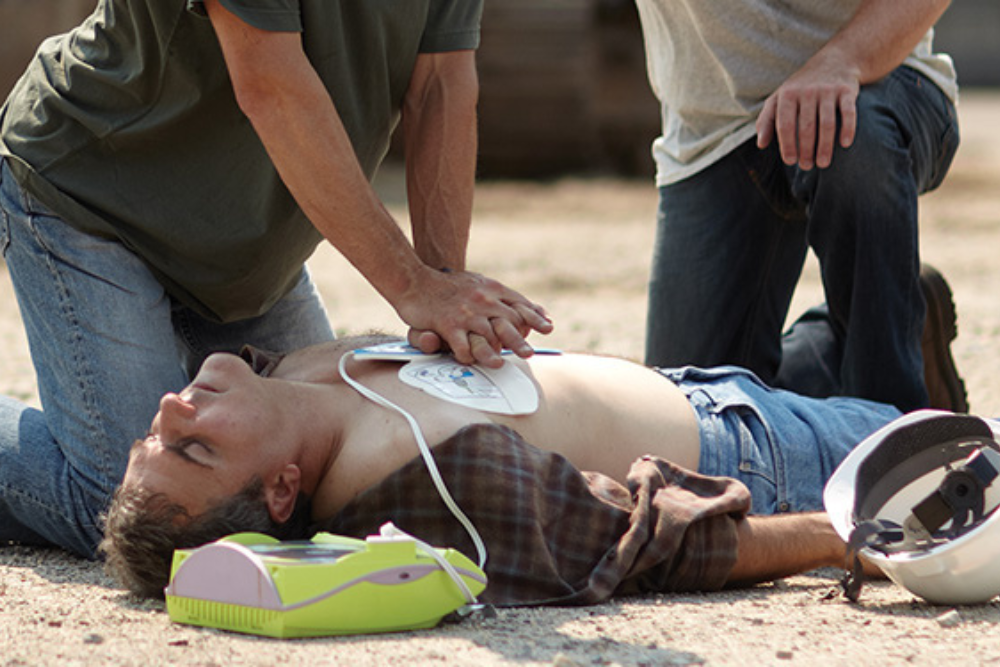
When a cardiac arrest happens, every second counts. The difference between life and death can come down to how quickly an Automated External Defibrillator (AED) is accessed and whether it works exactly as intended at the critical moment.
While much focus is placed on choosing the right AED, one area is often overlooked: how it is stored.
A proper AED cabinet is not just a housing unit. It plays a vital role in visibility, protection, accessibility, and readiness, all of which directly affect survival outcomes.
Why AED Storage Is So Important
An AED is an emergency life-saving device. If it is difficult to locate, damaged by weather or tampering, not immediately accessible, or stored in a way that causes delay, then its effectiveness is compromised before it is ever switched on.
A purpose-designed AED cabinet ensures the device is available, visible, and protected at all times.
1. Immediate Visibility in an Emergency
During a cardiac arrest, people do not have time to search.
High-visibility AED cabinets clearly identify the location of the defibrillator, are instantly recognisable even to untrained members of the public, and reduce hesitation and wasted time.
A bright, clearly marked cabinet can be the difference between someone confidently acting or standing unsure while valuable seconds pass.
2. Protection Against Damage and Misuse
AEDs are robust medical devices, but they are not indestructible.
Without a cabinet, AEDs are vulnerable to accidental damage, theft or tampering, dust, moisture and dirt, and temperature extremes such as hot or cold conditions.
A lockable AED cabinet protects the device while still allowing fast access in an emergency. Many cabinets also include alarms, which deter misuse and alert nearby staff that the AED is being removed for emergency use.
3. Suitable for Indoor and Outdoor Use
Not all AED cabinets are the same.
Indoor cabinets provide secure and visible storage in workplaces, schools, gyms, and public buildings.
Outdoor cabinets are weatherproof and temperature controlled, designed to protect AEDs from frost, heat, rain, and vandalism, ensuring the unit is usable 24 hours a day throughout the year.
For public-access AEDs, an outdoor cabinet is essential to guarantee availability whenever it is needed.
4. Faster Access Equals Better Outcomes
Survival rates decrease by approximately 10 percent for every minute defibrillation is delayed.
A proper cabinet ensures a predictable storage location, easy and intuitive access, and no obstacles or confusion in an emergency.
When stress levels are high and adrenaline is flowing, simplicity matters. The quicker the AED is accessed, the better the chance of survival.
5. Supporting Ongoing Readiness and Maintenance
AED cabinets also assist with management and compliance by keeping AEDs in a dedicated and monitored location, allowing checks to be carried out easily, and supporting routine inspection of pads, batteries, and indicators.
Many organisations fail not because they do not have an AED, but because it is poorly stored, forgotten, or not maintained.
A proper cabinet reinforces good emergency preparedness.
6. Demonstrating Duty of Care
Providing an AED shows commitment to safety. Storing it correctly demonstrates responsibility and professionalism.
Organisations with well-positioned AED cabinets show they have taken emergency planning seriously, reduce liability concerns, and reassure staff, customers, residents, and visitors.
It sends a clear message: we are prepared to act if the worst happens.
The Bottom Line
An AED is only effective if it can be found quickly, accessed easily, and relied upon to work.
Whether in a workplace, school, gym, residential building, or public space, investing in a suitable AED cabinet ensures your defibrillator is protected, visible, and ready when it matters most.
Because in a cardiac emergency, seconds save lives.

Leave a comment
This site is protected by hCaptcha and the hCaptcha Privacy Policy and Terms of Service apply.